
Discover the functions, types, and benefits of DUCT GI VCD (Volume Control Dampers). Learn why they are essential in HVAC systems for air regulation and energy efficiency.
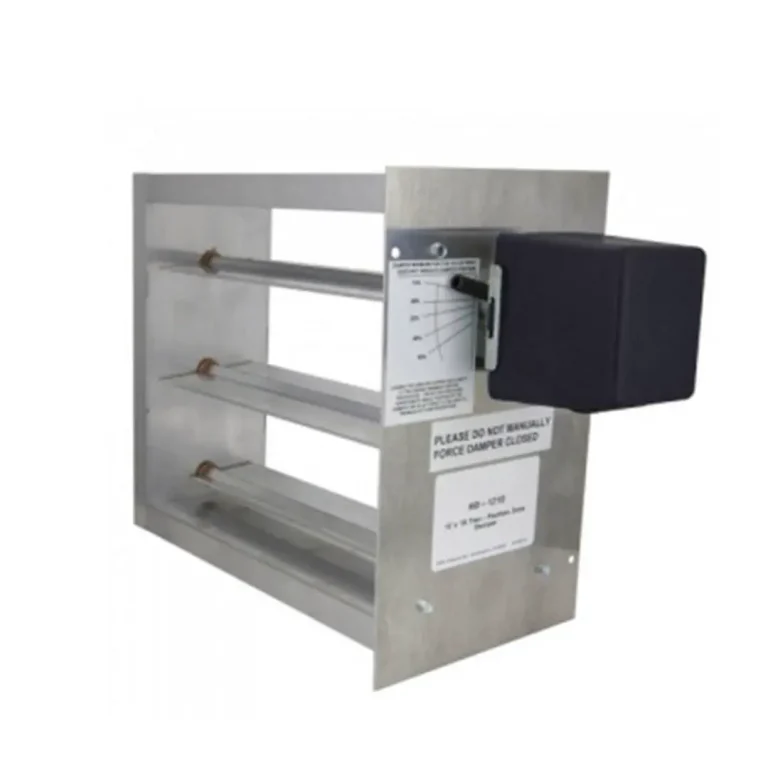
What is a DUCT GI VCD?
A DUCT GI VCD, or Galvanized Iron Volume Control Damper, is a mechanical device installed within HVAC ductwork to regulate or control airflow. These dampers are essential in balancing air distribution throughout a ventilation system, ensuring each area receives the desired amount of conditioned air.
Why Use GI Material in VCDs?
Galvanized Iron (GI) is widely used for making volume control dampers due to the following advantages:
-
Corrosion Resistance: GI coating prevents rust formation, ensuring longer service life.
-
Strength & Durability: GI sheets are tough and can withstand high airflow and pressure.
-
Cost-Effective: Offers great value in performance compared to other metals.
-
Lightweight: Easy to handle and install in ductwork.
Functions of a GI Volume Control Damper
-
Airflow Regulation: Helps control the volume of air passing through a specific duct.
-
Zoning: Divides a building into different zones to control temperature individually.
-
Energy Efficiency: Reduces energy costs by avoiding over-conditioning in low-use areas.
-
System Balance: Ensures balanced air distribution in multi-outlet duct systems.
Types of DUCT GI VCD
-
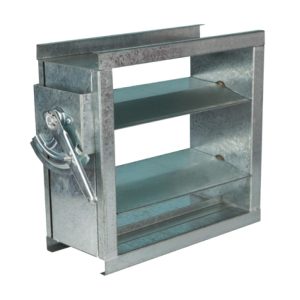
Manual VCD: Operated by a handle or lever; suitable for basic balancing applications.
-
Motorized VCD: Controlled by actuators; used in automated HVAC systems for real-time adjustments.
-
Single Blade Damper: Used in small ducts.
-
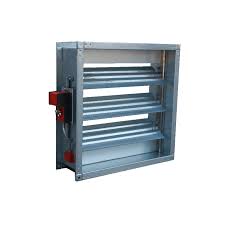
Multi-Blade Damper: Suitable for large ducts; provides smoother airflow control.
Installation Guidelines
-
Ensure proper sealing to prevent air leakage.
-
Position damper blades parallel to airflow.
-
Use quality fasteners to avoid vibrations.
-
Test for full open and close functionality after installation.
Applications of DUCT GI VCD
-
Commercial buildings
-
Industrial ventilation systems
-
Shopping malls
-
Hospitals
-
Airports
-
Data centers
FAQs
Q1: Is a GI VCD suitable for outdoor ducting?
Yes, but it should be properly sealed and coated for weather resistance.
Q2: Can a GI VCD be used in both exhaust and supply air ducts?
Absolutely. They are versatile and work in both scenarios.
Q3: How long does a GI VCD last?
With proper maintenance, it can last over 10-15 years.
Q4: What sizes are available?
GI VCDs are available in standard and custom sizes to suit all duct dimensions.
Leave a Reply
Your email address will not be published. Required fields are marked *
Categories
-
Air Conditioners & Parts
-
Copper Coil & Tubes Tools
-
Ducting & HVAC Systems
-
Refrigerat & Chillers Tools -
Water Heaters & Elements -
Rewinding Tool -Materials
-
Tools & Safety products -
Washing Machines Tools